Financial Planning for Women
Women face distinctive financial challenges due to longer life expectancy, pay gaps, caregiving duties and a tendency to invest more conservatively. Planning early and holistically is vital to support long-term wealth preservation.

Women's financial lives are unique, and so is the guidance they need.
Women face distinctive financial circumstances—from longer lifespans and caregiving responsibilities to pay gaps and investing hesitancy. We are here to be your advocate along the way.
Longer Lifespans
Women live longer on average and face higher lifetime healthcare costs. Your financial plan must be structured to help sustain you for a longer period of time.
Career Interruptions
Time away from the workforce for caregiving can reduce earnings and retirement plan participation, requiring proactive strategies.
Investing Confidence
Lack of confidence can sometimes cause women to delay investing. We provide clear education to help you approach the markets with comfort.

Stephanie Hohenshell
Financial Consultant
Learn more about Stephanie and her commitment to our community here.
Read Stephanie's BioCompassionate Guidance & Support
Stephanie and her team provide expertise tailored to women’s lives. We recognize the profound emotional and practical complexities that women face during major financial transitions. We prioritize active listening, clear education, and collaboration so you leave every conversation feeling more confident about your financial direction.
Survivor Support
Compassionate guidance and proactive next steps for helping women prepare for, and deal with the loss of their partner.
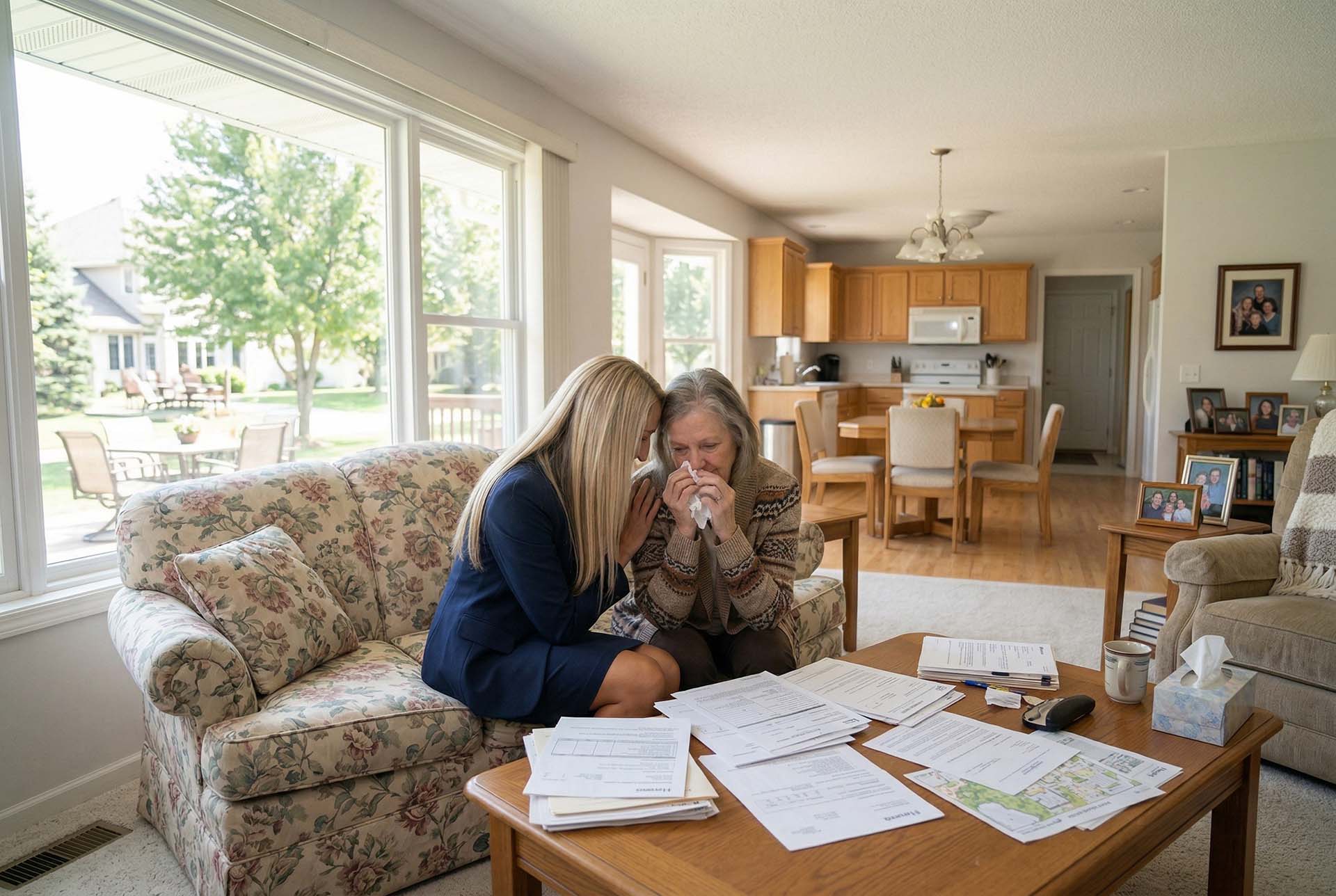
"Losing a partner is life-altering. You don't have to navigate the financial implications alone. We provide the time, patience, and professional network to help you recover and heal with dignity" - Stephanie Hohenshell
Organize, Identify and Plan.
Proactive planning reduces the mental strain for a surviving spouse. We help couples create a comprehensive map of their financial lives, ensuring both partners understand how to access accounts and manage inherited wealth.
- Create a "Survivor's Plan"Share understanding of all financial responsibilities, accounts, passwords, and beneficiaries.
- Review critical documentsEnsure wills, powers of attorney, trusts, and life insurance policies are fully up to date.
- Help guard against risksEvaluate long-term care coverage, Social Security strategies, and asset preservation.
Recovery, Action & Moving Forward with Purpose.
In the immediate aftermath of a loss, the priority is stability, not major financial confusion. We act as your primary confidante, assembling your professional team and guiding you step-by-step through the most pressing decisions.
- Assemble your teamWe coordinate with attorneys and tax professionals to systematically begin the transition process.
- Immediate practical stepsGuidance on securing death certificates, notifying Social Security, and transferring accounts safely.
- Strategic adjustmentsTracking expenses to formulate a realistic post-loss budget and carefully crafting your new income stream.
Understanding Women's Financial Challenges
Women's financial journeys are shaped by systemic gaps, caregiving responsibilities and longevity. The numbers below shed light on the obstacles women face in building and preserving retirement income.
Earning Less
On average, women earn 82.1 cents for every dollar earned by men and hold only 35% of senior manager and director positions in the United States. Less income translates into fewer savings opportunities.[1]
Caring for Others
More than four in ten women (43%) serve as caregivers during their careers, and 85% of them adjust their work—taking unpaid leave, reducing hours or shifting to part-time roles. These interruptions lower lifetime earnings and retirement savings.[2]
Increased Longevity
As of 2025, women's life expectancy is 81.1 years compared to 75.8 years for men. Despite living longer, research shows that women have about 39% less saved by retirement than men.[3,4]
Investing Less
Though women share the same retirement goals as men, 42% say they aren't confident they will have enough income to last through retirement. Only 66% of women report investing, compared with 76% of men, highlighting an investing confidence gap.[5,6]
Lower Savings
Women have a median of $3,000 in emergency savings to cover major financial setbacks. Their top financial priorities include saving for retirement (53%), building emergency savings (45%) and paying off credit card debt (39%).[5,2]
Minimal Guidance
Since only 32% of women work with a professional advisor, the vast majority navigate their finances alone. Consequently, only 18% of women feel very confident they will retire with a comfortable lifestyle.[6]
- Morgan Stanley at Work. 2024. "Women and Retirement: Why the Stakes are Higher."
https://www.morganstanley.com/atwork/articles/women-retirement-stakes-higher - Transamerica Institute. 2024. "25 Facts Highlight Women's Risky Road to Retirement."
https://www.transamericainstitute.org/research/publications/details/25-facts-highlight-womens-risky-road-to-retirement - Morgan Stanley at Work. 2024. "Women and Retirement: Why the Stakes are Higher."
https://www.morganstanley.com/atwork/articles/women-retirement-stakes-higher
- Morgan Stanley at Work. 2024. "Women and Retirement: Why the Stakes are Higher."
https://www.morganstanley.com/atwork/articles/women-retirement-stakes-higher - Morgan Stanley at Work. 2024. "Women and Retirement: Why the Stakes are Higher."
https://www.morganstanley.com/atwork/articles/women-retirement-stakes-higher - Transamerica Institute. 2024. "25 Facts Highlight Women's Risky Road to Retirement."
https://www.transamericainstitute.org/research/publications/details/25-facts-highlight-womens-risky-road-to-retirement

Ready to see if
we're a fit?
We can meet by Zoom, phone, or in person, whatever works best for you. This initial meeting is always at no cost, with no obligation to use our services. It’s simply a opportunity to talk and see if our approach feels right for you.